Security Updates
Why WordPress Updates Matter More in 2026
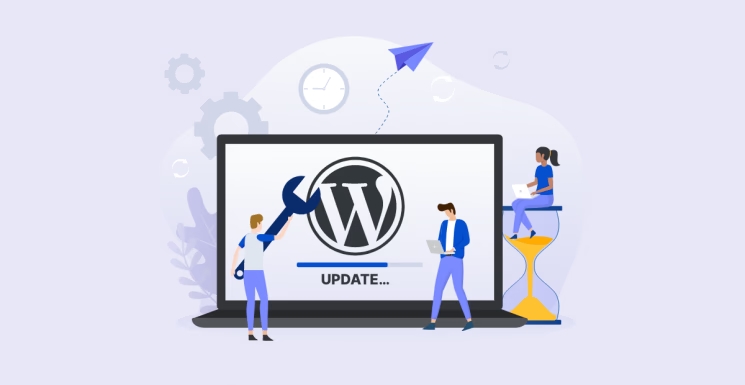
When was the last time your business reviewed its WordPress setup, not just for design, but for performance, stability, and security?
For many businesses, a website is no longer just a digital brochure. It is where customers make first impressions, submit forms, book services, read content, and often decide whether to trust a company at all. That is why WordPress updates matter more than ever in 2026.
This year has already shown how quickly the WordPress ecosystem continues to move. Between security releases, bug-fix updates, and major feature development, staying current is no longer something businesses can keep putting off. It is part of keeping a website healthy, reliable, and ready for growth.
More than just “another update”
A lot of companies still think of WordPress updates as something minor. They assume it is only about small visual changes or technical details that can wait until later. In reality, updates often affect three things that matter directly to a business: security, stability, and future compatibility.
A site running on outdated versions of WordPress, themes, or plugins is more likely to break, slow down, or become vulnerable. Even if everything looks fine on the surface, old software can create hidden risks in the background. That is especially true when a website depends on forms, integrations, analytics tools, payment systems, or custom functionality.
What changed in 2026
This year has been especially active for WordPress. The release cycle moved from WordPress 6.9 into WordPress 7.0, which signals not only ongoing development, but also a faster pace of change for developers, agencies, and businesses that rely on the platform.
For business owners, this matters because every major version brings adjustments that can affect themes, plugins, editor workflows, and site performance. At the same time, minor releases continue to fix bugs and patch security issues. If a website is not maintained regularly, those improvements never reach production, and the gap keeps growing.
Why businesses should care
The impact of outdated WordPress installations usually shows up in one of four ways.
First, security becomes harder to manage. Once a site falls behind, every plugin and integration adds more risk.
Second, compatibility issues become more common. A plugin may update, a theme may behave unexpectedly, or a custom feature may stop working as intended.
Third, performance can suffer. Older setups are often less efficient and may not benefit from newer improvements in the editor, backend, or overall architecture.
Fourth, future updates become more difficult. The longer a business waits, the more stressful and expensive the update process can become later.
A smarter approach to WordPress maintenance
The best approach is not to wait for something to break. Businesses should treat WordPress maintenance as part of normal digital operations.
That means reviewing the core version, checking plugin health, testing updates before pushing them live, and making sure the website is backed up properly. It also means keeping an eye on whether the current setup still fits the business. Sometimes the problem is not just that a site is outdated. Sometimes the whole structure needs a cleanup to stay secure and efficient.
Conclusion
In 2026, WordPress updates are not just technical housekeeping. They are part of protecting your business online. A well-maintained site is easier to secure, easier to improve, and less likely to create unexpected problems when your business needs it most.
If your website has not been reviewed in a while, or if you are unsure whether your WordPress setup is secure and up to date, Team Vienna can help assess your site, identify the weak spots, and support you with the updates and improvements needed to keep everything running smoothly.